Introduction
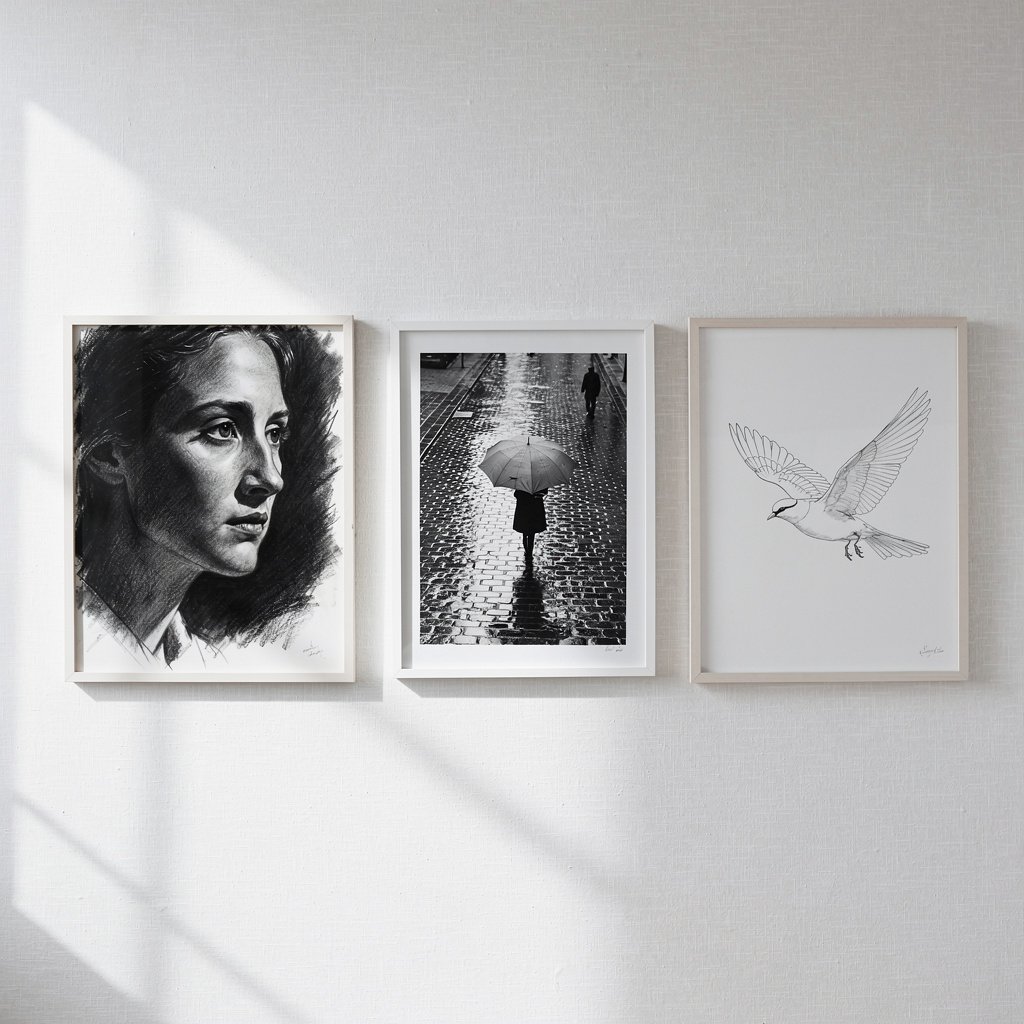
You’ve seen it everywhere moody street scenes, dramatic portraits, abstract textures in monochrome. There’s something timeless about black and white art. It strips away distraction, focuses emotion, and turns ordinary moments into powerful statements.
But if you’re new to creating it, you might wonder:
“Do I need expensive tools? Can I start without formal training? Is black and white just for ‘serious’ artists?”
The truth? Black and white art is one of the most accessible and rewarding entry points into visual creativity. You don’t need color to create depth, mood, or meaning. In fact, removing color often reveals what truly matters: contrast, texture, light, and form.
In this guide, you’ll discover 15 practical, beginner friendly ideas and styles to explore black and white art no fancy equipment required. Whether you’re sketching with a pencil, editing a photo, or experimenting with digital tools, you’ll learn how to create compelling monochrome work that stands out.
Quick Answer: What Is Black and White Art?
Short answer:
Black and white art is any visual work created using only shades of gray, black, and white no color. It includes drawing, painting, photography, digital art, and printmaking.
Key Takeaways:
It’s not about lack of color it’s about mastery of contrast.
You can create stunning art with just a pencil and paper.
It enhances mood, texture, and emotion better than color in many cases.
Perfect for beginners because it removes complexity.
Used by professionals worldwide from photojournalists to fine artists.
💡 Pro tip: Many famous artists Ansel Adams, Henri Cartier Bresson, Frida Kahlo (in sketches) used black and white to focus on composition, not color.
Why Black and White Art Works So Well
It Removes Distraction
Color draws attention. But sometimes, what you don’t see matters more than what you do.
Black and white art forces viewers to focus on:
- Light and shadow (chiaroscuro)
- Texture and pattern
- Shape and form
- Emotional tone
It Builds Visual Literacy
When you work without color, you train your eye to read light. You learn how a single highlight can define a face. How a gradient of gray can suggest distance. How a sharp line can create tension.
This skill translates to all art forms even when you return to color.
It’s Timeless
Black and white art doesn’t feel dated. It feels enduring. Think of vintage photographs, ink wash paintings, or charcoal sketches they carry weight, mystery, and depth that color sometimes dilutes.
15 Creative Black and White Art Ideas for Beginners
You don’t need inspiration to start you just need to begin. Here are 15 simple, doable ideas to spark your creativity:
- Shadow Portrait – Use natural light to cast your own shadow on a wall. Trace it with pen or charcoal.
- High-Contrast Street Photography – Shoot urban scenes in overcast light. Convert to black and white later.
- Texture Collage – Tear paper, use fabric, or press leaves onto paper. Ink over them in grayscale.
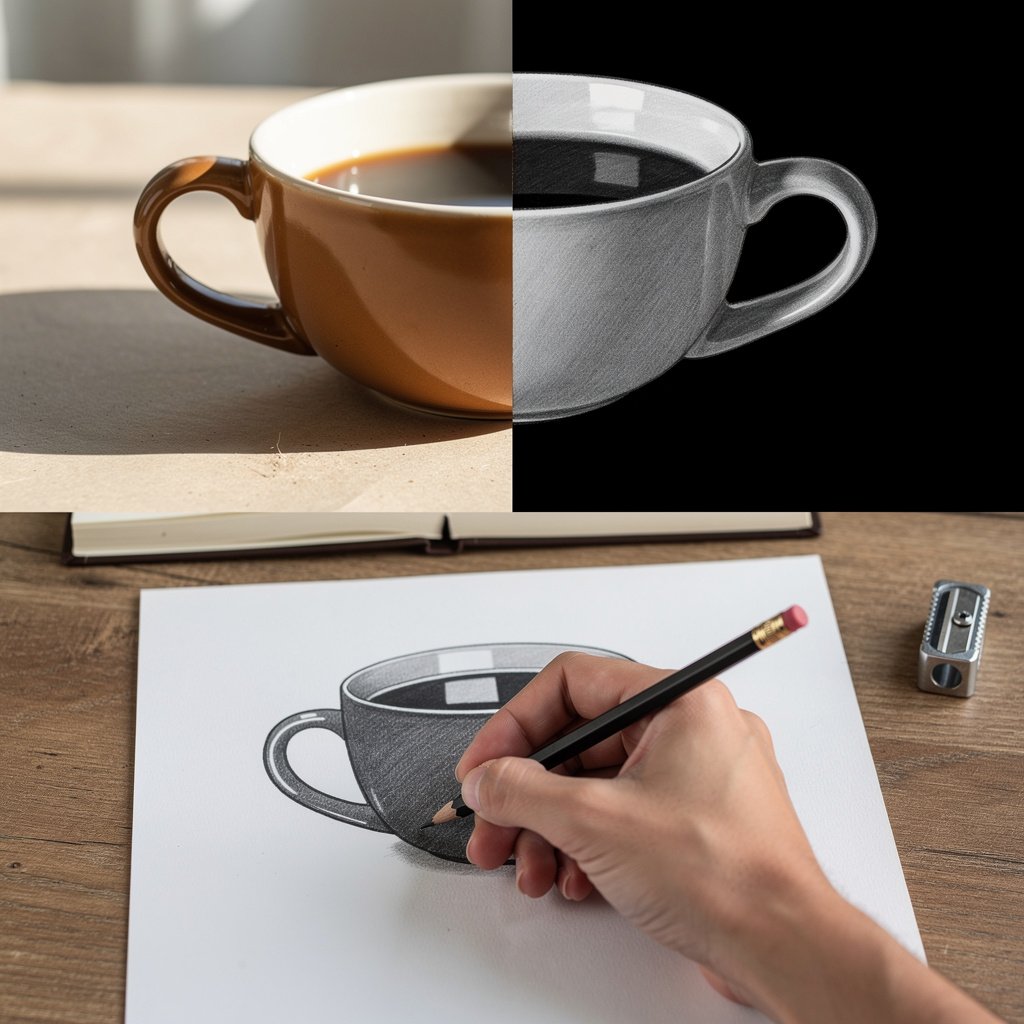
- Single Object Study – Pick one item (a coffee mug, keys, a shoe). Draw it 5 different ways using only line and tone.
- Silhouette Art – Cut black paper into shapes and layer them on white background.
- Ink Drip Abstract – Let ink drip on paper. Use a white gel pen to highlight edges.
- Black Paper Drawing – Use white chalk or pastel on black paper. It flips traditional values light becomes dark.
- Monochrome Still Life – Arrange 3 household items. Sketch them using only 3 values: black, mid-gray, white.
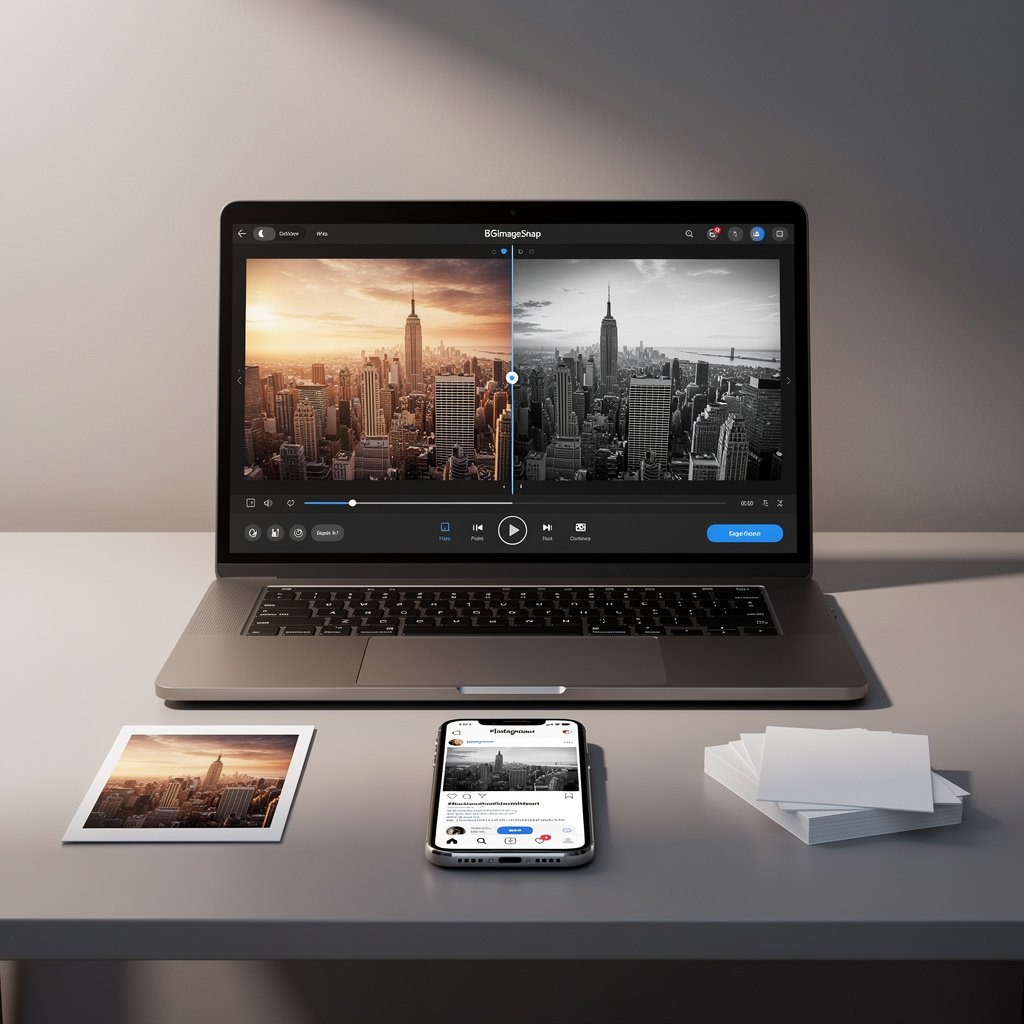
- Grayscale Photo Editing – Take a color photo. Use free tools (like Snapseed) to convert and adjust contrast.
- Line-Only Illustration – Draw a person, animal, or object using only one continuous line no lifting your pen.
- Crosshatching Practice – Draw a sphere using only overlapping lines. No shading just line density.
- Negative Space Portrait – Draw the space around a face, not the face itself. The shape becomes the subject.
- Tonal Gradient Study – Create a 10 step grayscale bar. Then paint a simple object using only those tones.
- Found Object Printmaking – Press a leaf, key, or mesh screen into ink and stamp it on paper.
- Black and White Comic Panel – Draw a 3 panel story with no speech bubbles. Let the imagery tell the tale.
Start with just #1 or #4. You don’t need to do all 15. One idea, explored deeply, is more valuable than ten half-finished pieces.
Top 4 Styles of Black and White Art to Try
| Style | Description | Best For | Tools Needed |
|---|---|---|---|
| Charcoal Drawing | Rich, smudgy, expressive. Great for mood and texture. | Beginners who love bold contrast | Charcoal sticks, paper, blending stump |
| Ink Wash (Sumie) | Fluid, minimal, meditative. Inspired by East Asian traditions. | Those who enjoy calm, flowing lines | Ink, brush, rice paper |
| Pen and Ink Line Art | Precise, controlled, detailed. Think technical illustrations. | Detail oriented creators | Fine liner pens (0.1–0.8mm), sketchbook |
| High Contrast Photography | Dramatic shadows, deep blacks, bright whites. | Photo lovers who edit | Smartphone or DSLR + free editing app |
🎯 Beginner Recommendation: Start with pen and ink line art. It’s low cost, portable, and teaches you precision without pressure.
How to Start Creating Black and White Art (Step-by-Step)
You don’t need a degree. You don’t need expensive gear. Here’s how to begin today:
Step 1: Choose Your Medium
- Drawing? Grab a pencil and printer paper.
- Photography? Use your phone.
- Digital? Try free apps like Krita or Photopea.
Step 2: Pick One Idea from Above
Start with #8: Monochrome Still Life. It’s simple and teaches you value control.
Step 3: Set Up Your Scene
Place 3 objects (a cup, a book, a spoon) on a table. Use a single lamp to cast one clear light source.
Step 4: Observe, Don’t Copy
Look at how light hits the cup. Where is the darkest shadow? Where is the brightest highlight? Sketch only those three tones: dark, medium, light.
Step 5: Limit Your Tools
No blending. No erasing. Just 3 values. This forces you to make decisions and learn faster.
Step 6: Review and Repeat
Compare your sketch to the object. What did you miss? Try again tomorrow with a different object.
🔄 Practice > Perfection. Do this for 10 minutes a day for 7 days. You’ll see progress.
Common Mistakes (And How to Avoid Them)
Mistake #1: Thinking “I Can’t Draw”
Fix: Black and white art isn’t about drawing “well.” It’s about seeing. Even stick figures can become powerful art with strong contrast.
Mistake #2: Using Too Many Grays
Fix: Start with only 3 values: black, white, and one mid gray. Too many tones = muddy, confusing work.
Mistake #3: Ignoring Light Source
Fix: Always ask: Where is the light coming from? This determines where shadows fall. Without this, your art looks flat.
Mistake #4: Overediting Photos
Fix: If converting a photo, avoid turning everything into pure black and white. Keep some mid tone detail. Use the “Levels” tool gently.
Mistake #5: Waiting for “Inspiration”
Fix: Inspiration comes after you start. Set a timer for 10 minutes. Begin. You’ll be surprised what emerges.
Tools You Actually Need (No Fluff)
You don’t need a full studio. Here’s what works:
| Medium | Minimum Tools | Cost |
|---|---|---|
| Pencil Drawing | HB pencil + 1 sheet of paper | $0.50 |
| Pen & Ink | Fine liner pen (0.3mm) + notebook | $5 |
| Charcoal | Charcoal stick + tissue for blending | $8 |
| Digital (Photo) | Smartphone + Snapseed (free app) | $0 |
| Printmaking | Leaf + ink pad + paper | $3 |
💡 Best Starter Kit: A $2 pencil + a $1 notebook. That’s it.
Avoid:
Art starter packs with 50 tools you’ll never use
Expensive software subscriptions (try free tools first)
Pressure to be good before you begin
FAQ: Your Top Black and White Art Questions Answered
1. Do I need to know how to draw to do black and white art?
No. Black and white art is about observation, not technical skill. A simple line drawing with strong contrast can be more powerful than a technically perfect colored painting.
2. Can I turn a color photo into black and white art?
Yes but don’t just click “black and white.” Adjust contrast, shadows, and highlights first. Use the “Black & White” adjustment in Snapseed or Lightroom to fine tune tones.
3. Is black and white art considered “real” art?
Absolutely. Major galleries and museums display black and white photography, charcoal sketches, and ink drawings as fine art. It’s one of the most respected forms in art history.
4. What’s the easiest way to start if I’m a complete beginner?
Start with pen and ink line drawing. Draw one object (like a spoon or a shoe) for 5 minutes. Do it every day for a week. You’ll build confidence fast.
5. Can I sell black and white art?
Yes. Monochrome art is popular in home decor, especially minimalist and modern interiors. Platforms like Etsy, Society6, and Instagram are great places to share and sell.
6. Why does my black and white art look flat?
You’re likely missing contrast. Add a true black and a true white. If everything is gray, the image has no depth. Use the “Levels” tool (in apps) to stretch the tonal range.
7. Should I use black paper or white paper?
Try both. White paper is traditional. Black paper flips the game you draw with white (chalk, gel pen, or light). It’s surprisingly effective and unique.
8. How long does it take to get good at black and white art?
With daily 10 minute practice, you’ll notice improvement in 2 weeks. Mastery takes months but you’ll start creating work you’re proud of in days.
Conclusion
Black and white art isn’t about limitation it’s about liberation.
It removes the noise.
It sharpens your vision.
It lets emotion speak louder than color ever could.
You don’t need talent. You don’t need expensive tools.
You just need curiosity and a willingness to try.
Start small.
Draw one object.
Shoot one photo.
Convert one image.
See what happens.
The most powerful art often lives in the quiet spaces between black and white.